#238
On coming back
Almost a year ago I wrote about taking a break. Back then I blamed the quality of what I was reading (and, partially, my own inability to hunt for new gems) for stepping away from the keyboard. In hindsight, there was more to it: I’ve spent the past twelve months on the move in every possible sense of the word.
Since the last edition of Tuesday Triage I’ve travelled the world: drove across Central and Northern Thailand, rode a toboggan down the Great Wall of China, split Gs in Dublin, turned 30 while touring between Toronto, Niagara Falls, Vancouver Island, and interior BC. Went to Spain, then learned the ropes of being on a boat in Croatia, collected all potholes on the way from Edinburgh to London to Snowdonia to the Lake District and back to Scotland, circled the whole of Iceland sleeping in a tent on the roof of the car, and then flew back to Canada on one-way tickets.
We spent two months on Vancouver Island: surfed most days, harvested grapes, foraged for mushrooms, and went fishing. Then a month in Vancouver, where I went to more tech meetups than in the five years before (it helps when you actually live in a tech hub for once). Then we flew all the way to Québec City, where I remembered how to ice skate and how to breathe -20°C air without immediately regretting my choices.

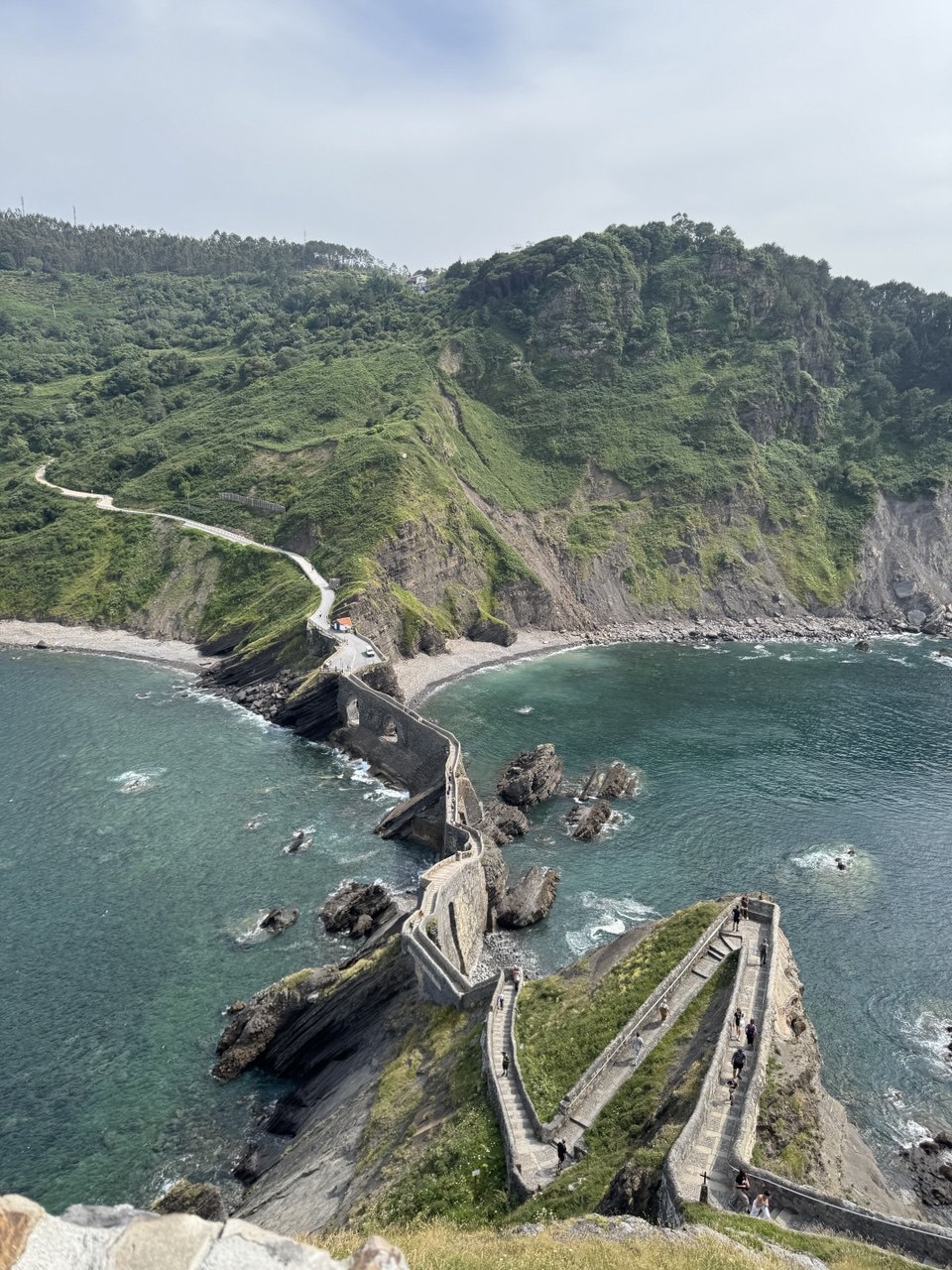
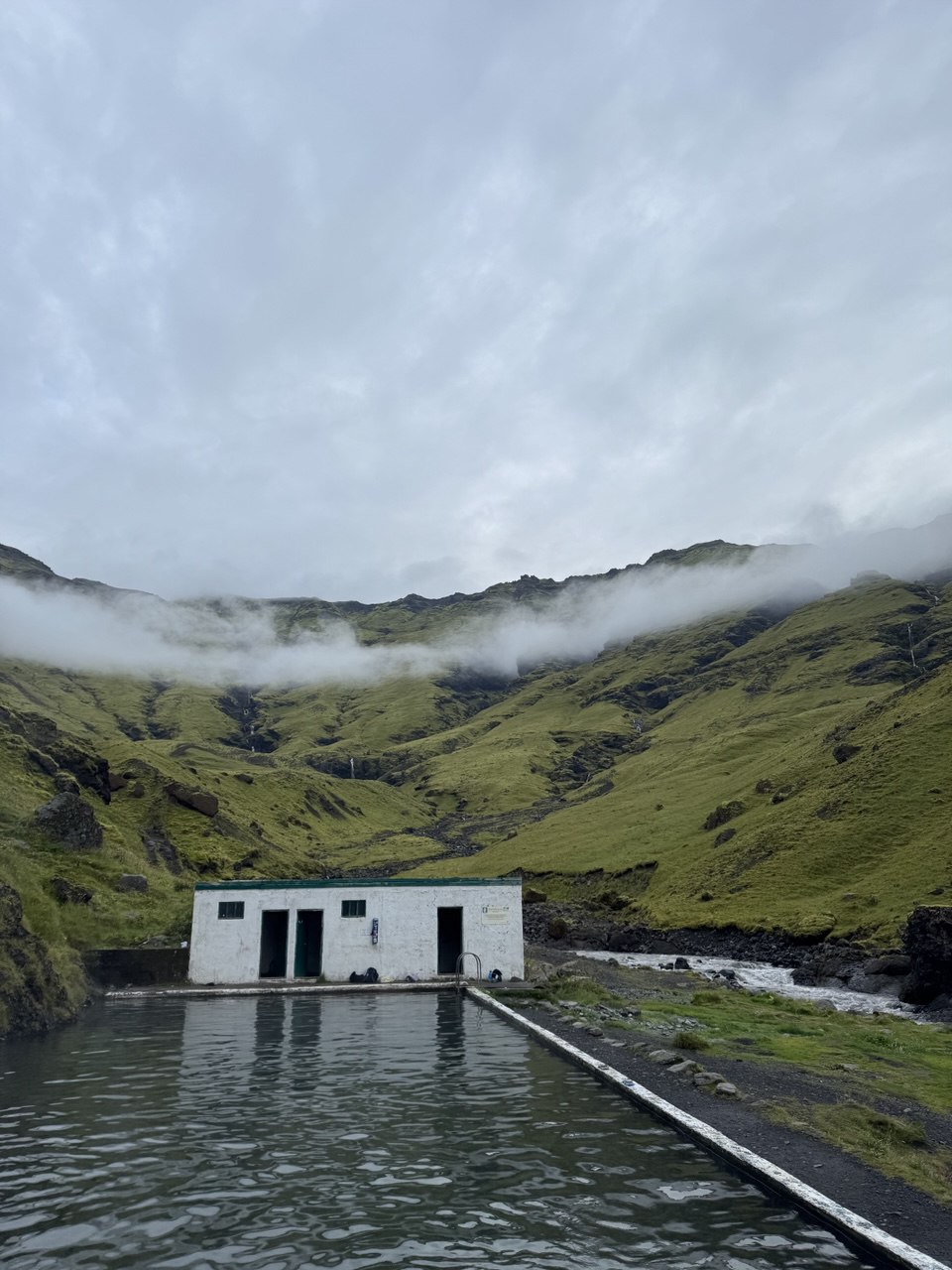
Scrolling through my timeline of photos from Thailand, Spain, and Iceland, I’m starting to suspect I should live near mountains.
Somewhere between all of this, I left LivaNova. After five years of building Epsy — an epilepsy management app that went from napkin sketches to CES awards and the top of the App Store charts — I decided it was time to try something different. Medical device software is incredibly rewarding: every bug you squash might actually save someone’s life. But it’s also exhausting in ways that are hard to explain to people who haven’t worked under HIPAA and FDA scrutiny.
So I went indie. Or rather, I went back to indie — and it was refreshing to return to hacking on the edge between niche ideas and even more niche technologies. I’ve shipped more apps this year than in the previous ten combined, wrote on the blog more than ever, and remembered why I got into this in the first place.
I’m also slowly getting back to consulting, which feels like cheating: I get to solve interesting problems, but also switch between completely different industries without the politics that usually come with the territory. If you need someone to untangle your iOS architecture or build the weird bits that don’t fit in a sprint, I still have a few slots left in the coming months.
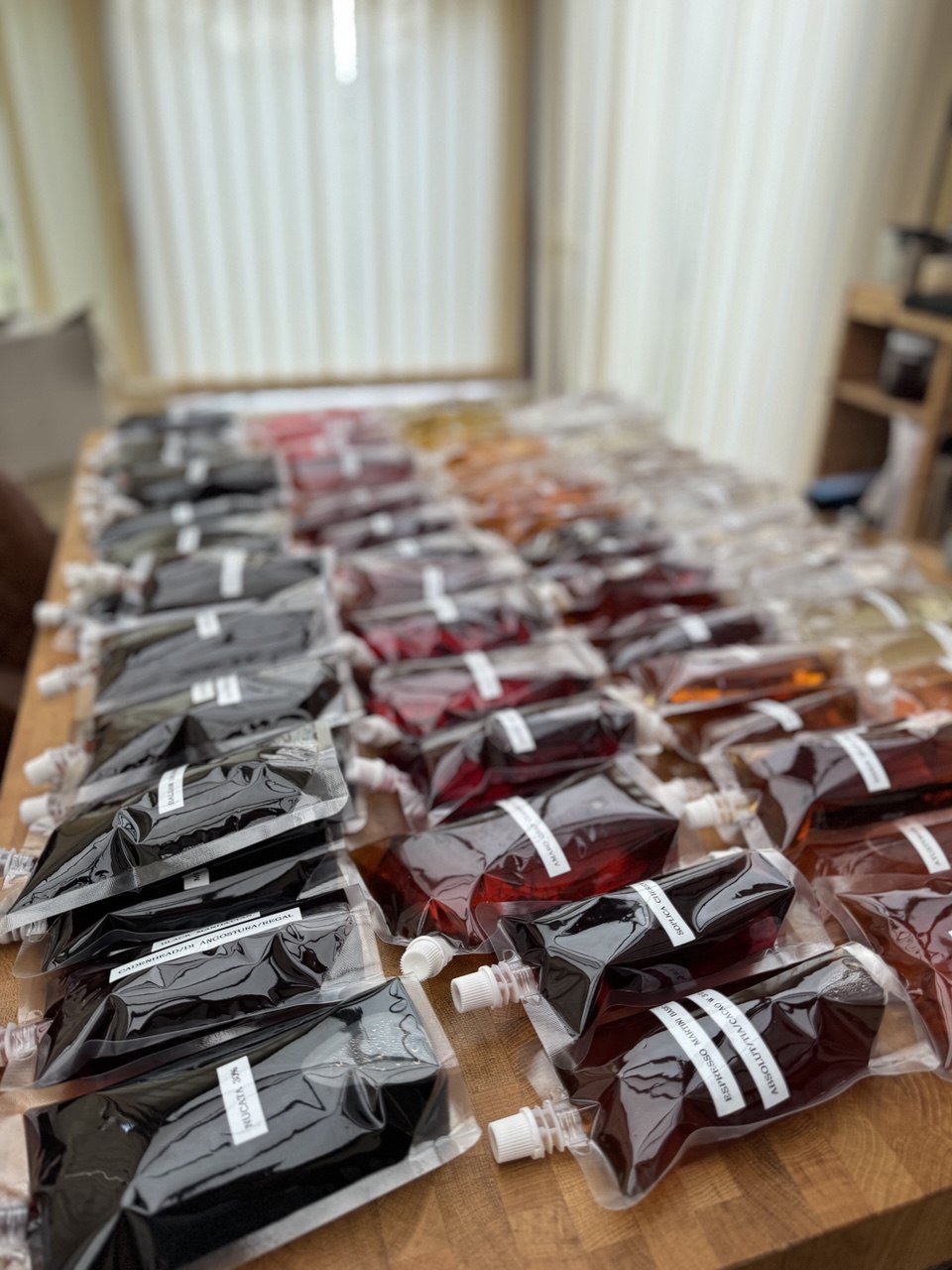
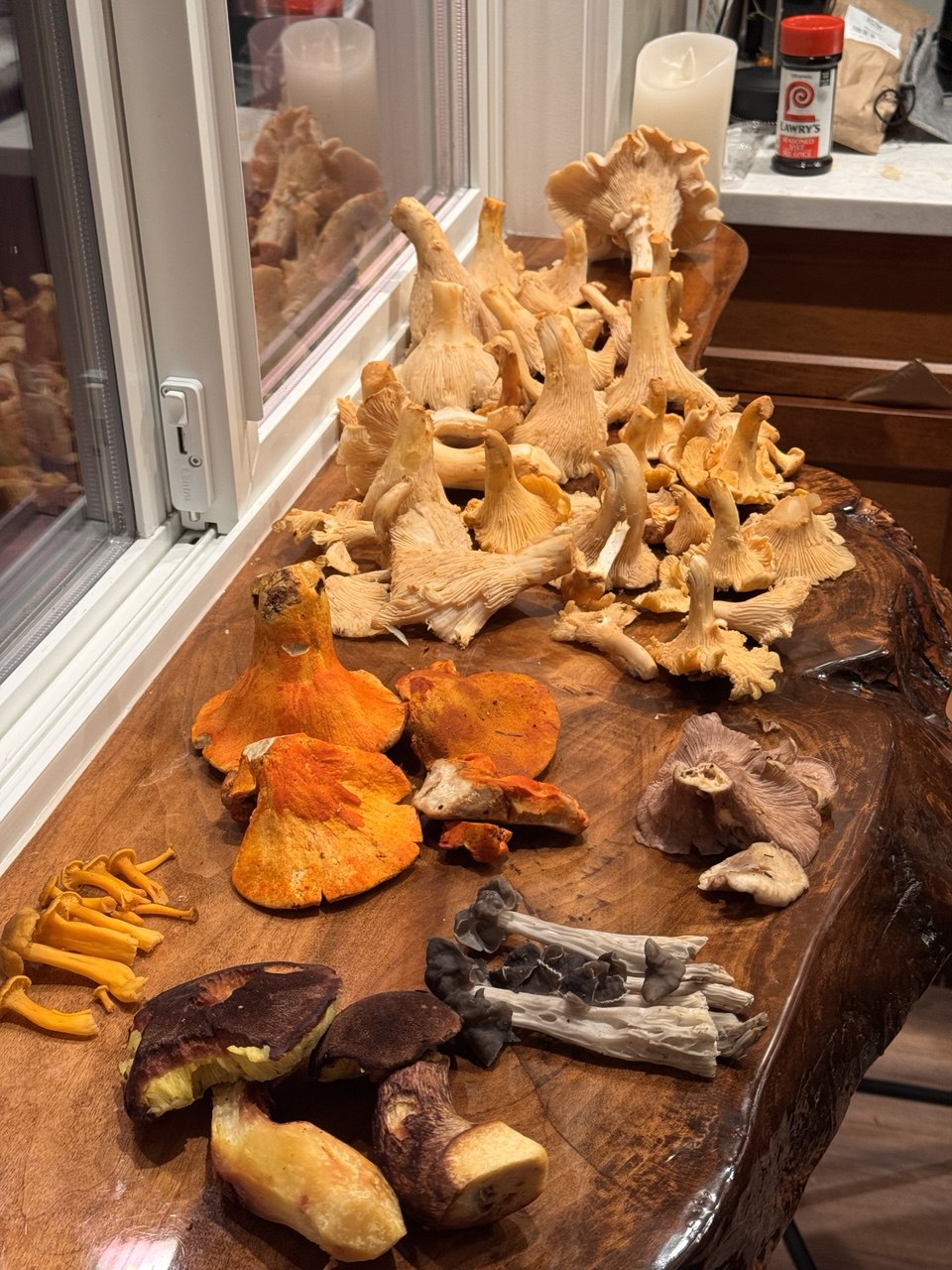
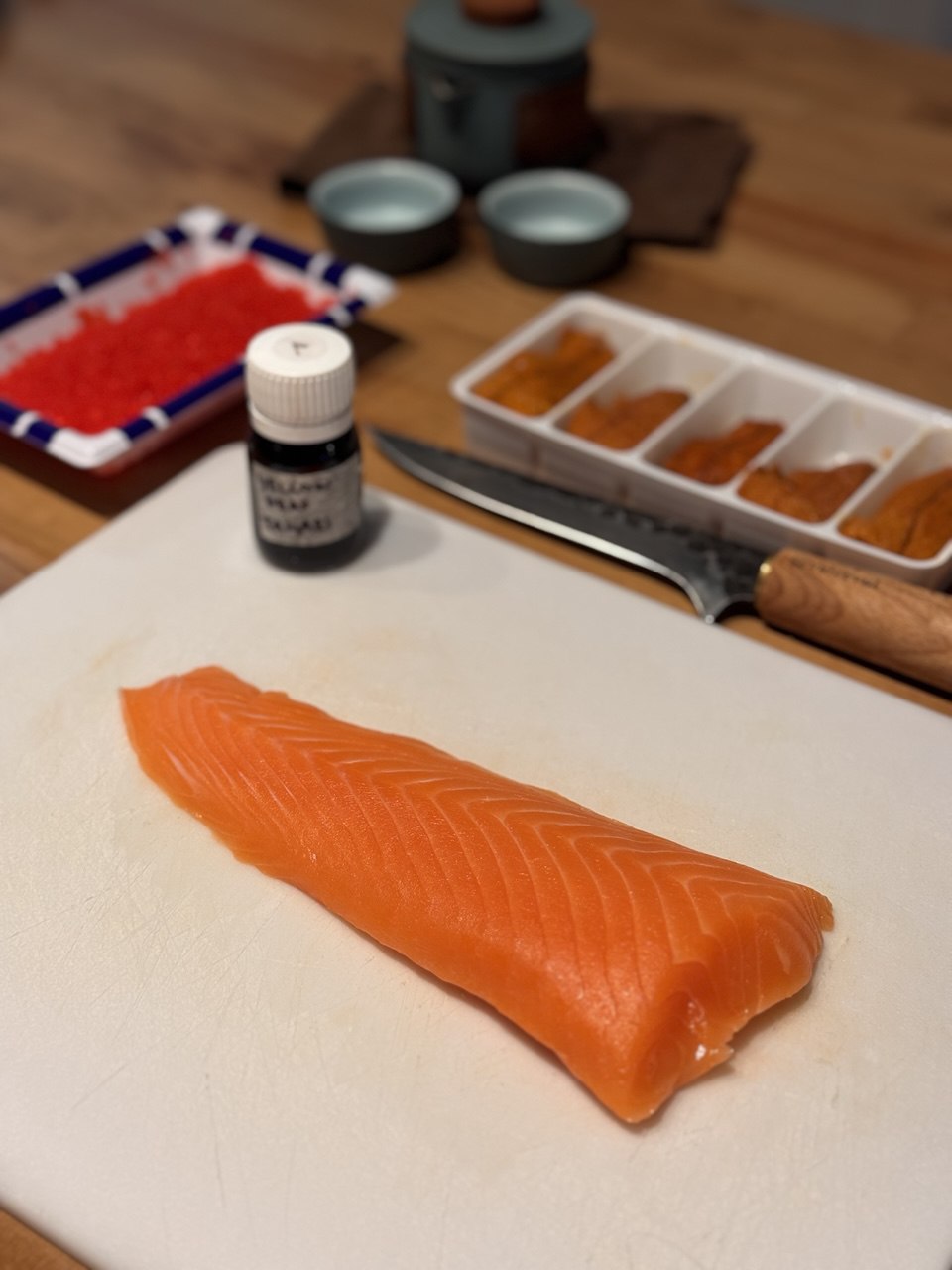
Moving to Canada on one-way tickets meant everything went into storage — including my least favourite project: packing a 300+ bottle spirits collection. I’ve cooked less this year, but kept it fun: from foraged Lobster mushrooms to homemade three-year-aged tamari I smuggled from Scotland.
Now it’s January again. In a week we’ll head from Québec City to Montreal, and then eventually to the Rockies — but right now I’m writing this newsletter for the first time in almost a year.
It feels good to be back.
Enjoying this? Get Tuesday Triage in your inbox every week.
Things I enjoyed reading
1. I Survived the Destroying Angel by Cornell Mushroom Blog
I didn’t read as much this year, but if I had to pick a single article I’ll remember, it’s this one.
I grew up in a foraging-adjacent family, so I’ve heard my share of poisoning stories. This one’s different though: it is the story of a man who ate three mystery mushrooms because he couldn’t find his field guide and was in a hurry — then went to a party and bragged about it.
The pressure of the strong contractions forced stuff out both ends of the GI tract, uncontrollably. I had a severe case of vomiting and diarrhea. At that point, deep down I knew I had made the big mistake.
For those unfamiliar with foraging lore, the Amanita Virosa is often cited as having a terrifying mortality rate, has no antidote, and apparently doesn’t even taste that good. The author survived because he got to a hospital fast enough, but not before the toxins made him so cognitively impaired that doctors had to verify with his girlfriend he is not lying about being an accelerator operator in high energy physics.
Mate, I’m not going to preach about taking spore prints, but maybe don’t eat unidentified white mushrooms you picked on the way to a nightclub?
2. How I accidentally became PureGym’s unofficial Apple Wallet developer by Vadim Drobinin
Shameless self-promotion, but hey — this one did surprisingly well (and crashed my server after hitting 600+ points on Hacker News). The premise is simple: it took me 47 seconds to get into my gym with their official app, and I go there every day. Now it takes 3 seconds with Apple Wallet (but I spent a week reverse-engineering their security theatre).
But here's what I learnt: sometimes the best features come from outside the organization. PureGym probably has a roadmap, sprint planning, and very good reasons for not implementing Apple Wallet. Maybe it's not a priority. Maybe they have data showing only 0.3% of users would use it. Maybe their KPIs are based on the number of online classes previewed in the app, and forcing users to see them every time the app loads secures someone's annual bonus.
Maybe someone in product genuinely believes the current app experience is fine (bless their heart).
I remember how decades ago I was into CTFs: niche cybersecurity competitions where you hunt for hidden “flags” in vulnerable systems to score points. This adventure reminded me of that. PureGym didn’t bite and never added Apple Wallet support (they still claim it’s not technically possible), so Google now ranks me first for “puregym apple wallet" queries, which must be confusing for their marketing department.
3. Back to Mac by Matt Gemmell
I shared Matt Gemmell’s post about writing novels on iPad in this newsletter about four years ago (time flies!) — so it felt appropriate to share the follow-up. After eight and a half years of iPad-only, he’s done. Back on Mac.
The thing is though, he didn’t leave because the iPad can’t write novels. He left because he started doing other things too: video editing, music production, server work.
Like many people of my background (and my nationality), I have a bit of a Calvinist streak. I’ve tried not to use things, or enjoy things, because of how I’d feel if they were taken away from me later. I have a strong affinity with standard, pre-installed apps, default preferences, and officially-supported use cases. The iPad embodies that sort of thinking, because you only get exactly what you’re given, or what you’re offered.
Apple likes to present the iPad as the first computer that’s designed to suit the user, but of course the exact opposite is also true: in every respect, the user must adapt to the iPad’s way of doing things. It, along with any other locked-down, walled-garden, highly-opinionated device, is a my way or the highway scenario.
For writing, iPad was fine, but that I think is the trap. Sure, if you're a novelist who only writes, iPad works, as does a typewriter. I thought a lot about replacing my laptop with one (the iPad, not the typewriter) but at this point they weight almost the same, so why bother.
4. The audacious plot to land £100m of cocaine on a Highland beach by BBC News
Life is often funnier than movies. A dude pitches a cartel a revolutionary idea: skip all the usual European routes and land cocaine directly on a remote Scottish beach. To prove he can do it, he first smuggles cannabis onto Gruinard Island — the anthrax island used for biological weapons testing in WWII just outside Ullapool (it was eventually decontaminated). This actually works, so they go bigger.
A patrolling police sergeant spotted the van parked outside toilets at Corrieshalloch, near Ullapool.
The Highlands were a far quieter place than they are today and the orange vehicle jarred with Mike Maclennan.
He noted the east coast number plate and called it in.
Half a tonne of cocaine (the largest UK seizure at the time) discovered because someone rented a bright orange van and parked it outside public toilets. The mastermind later escaped from a Spanish prison and fled into the desert.
His whereabouts remain unknown.
5. 25 Years of NYC Restaurants by The New York Times
An interactive timeline of New York dining from 2000 to 2025 (do yourself a favour and read it on desktop). The kind of thing you start scrolling through and suddenly it’s an hour later and you’re reading about the great cupcake wars.
It’s hard to imagine a New York City without flame-kissed Neopolitanish pizzas eaten by young people in fashionable, distressed clothing who will later smoke cigarettes on the sidewalk before swiping right and heading off into the night. Roberta’s, which opened in a heatless cinder-block garage in Bushwick in 2008, made all that possible.
It tracks everything from molecular gastronomy to the Korean food explosion to outdoor dining born of necessity during the pandemic. What struck me is how permanent every food trend feels in the moment — everyone's favourite spot seems like it will exist forever, and then five years later it’s a Yelp listing that redirects to a closed business page. Turns out restaurants need both curiosity and criticism to survive but rarely get either.
Did you know I make apps?

Fermento
I got tired of asking Reddit if my salami would kill me. Now I track ferments with HACCP protocols and actually know when things are safe.
Take a look →Things I didn’t know last Tuesday
1. In China, meat is dried outdoors in winter
I always assumed meat drying was a summer thing — sun, heat, all that. But then we flew to Beijing in February and here they were, ham hocks hanging outside in -5ºC. Turns out winter works too, and often it's a Chinese New Year tradition going back ~2,000 years.
In rural areas, most fully sun—and air-dried meat is produced. This can take some months until it is thoroughly dried. In rural areas, the ready-prepared La rou is often smoked additionally. On the other hand, in Shanghai, La rou is only partially dried and mostly eaten at Chinese New Year festivities.
The ones I saw in Beijing were probably one-off things, but now I want to go to Shanghai to see local dry 1.5 metre long conger eels on their balconies.
2. Tunnock’s Teacakes were banned on RAF planes for decades
RAF pilots allegedly had to avoid unwrapped Tunnock’s Teacakes after an incident in 1965 when emergency decompression caused one to erupt messily in the cockpit. This legend persisted for 60 years until someone finally tested it.
Official altitude chamber tests: no explosion. Just expanding marshmallow and cracking chocolate.
Finally, after decades of being illegal, our Scottish candies are officially cleared for in-flight consumption.
3. Popcorn kernels come in two varieties
I had no idea popcorn came in two distinct shapes with completely different use cases.
“Mushroom” popcorn holds up to coatings. “Butterfly” (snowflake) is delicate and best fresh.
The mushroom variety survives being coated in caramel or chocolate without shattering. The butterfly variety is what you get at cinemas — fluffy, irregular, and terrible at holding up to any kind of processing. I've not seen or tried "mushroom" popcorn before coming to Canada, and my life will never be the same.
4. Soapberries foam like soap
One of the first things we did on Vancouver Island was identifying all edible berries and trying them one by one. These could be whipped into foam like egg whites, but using saponins instead of protein.
The bowl must be absolutely free of oil or fat, or the foam collapses.
The saponins are technically toxic in large quantities, but the more likely consequence of overconsumption is aerophagia: abdominal discomfort from swallowing too much trapped air. There’s apparently a technique involving blowing bubbles with the “ice cream” in your mouth to prevent this, but I am still not sure if that's a joke someone sneaked into Wikipedia.
5. The word “rink” comes from Scottish
Ther are lots of ice rinks in Québec City and it got me thinking about ethymology of the word.
late 14c., "measured ground for a combat, joust, race., etc.," in a Scottish source, and according to OED "Until the latter part of the 19thy cent. only in Sc. use
So for five centuries this word had a meaning only in Scottish, and then eventually started to apply to curling, and then ice skating.
Book of the week
I picked The Glass Hotel by Emily St. John Mandel on our first flight to the West Coast because the reviews promised a remote hotel on Vancouver Island and I wanted to get in the mood.
The hotel is there — glass walls, curated wilderness, wood-fired hot tubs — but it's mostly a front door into something colder: a book about people in transit, people disappearing, people who exist in the spaces between identities. The structure mirrors it: fractured, jumping decades and perspectives, showing you the consequences before the cause, like you're trying to reconstruct a shipwreck from whatever floats past.
Leon knew that he and [his wife] were luckier than most citizens of the shadow country, they had each other and the RV and enough money (just barely) to survive, but the essential marker of citizenship was the same for everyone: they'd all been cut loose, they'd slipped beneath the surface of the United States, they were adrift.
Technically, the book is about a Ponzi scheme modelled on a famous fraud, but like the hotel, the fraud itself isn't the point — it's everyone who chose not to look. The accountants who filed the paperwork, the investors who stopped asking questions, the girlfriend who traded curiosity for comfort. After a year of living between countries, I understood the pull.
You get good at not looking back when looking back means counting up what you've left behind.
Need help with iOS?
I spent a decade on FDA-regulated medical devices and apps with millions of users. Now I help teams ship MVPs, rescue messy architectures, and build the hard bits that don't fit in a sprint.
Learn more →